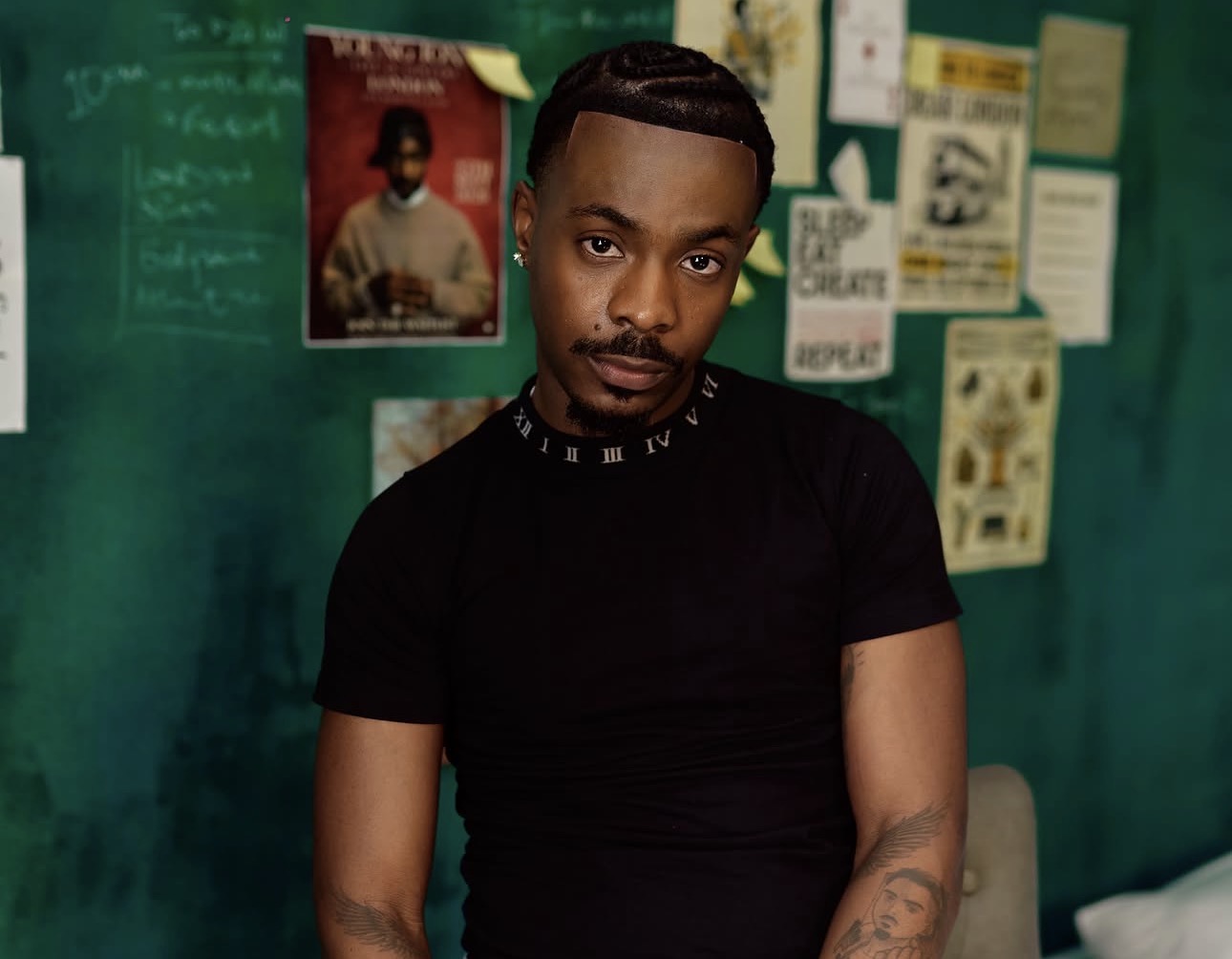
Kaestyle’s ‘Stylish’ is a confident meeting point between R&B, Afrobeats and culture

'Stylish' by Kaestyle is a debut album that has upped the ante in Nigeria's entertainment industry and here is why to listen to it.
There is a certain confidence that comes with an artiste reaching the point where their influences no longer feel like separate parts of their identity.
On ‘Stylish’, Kaestyle arrives at that point with an album that brings together the sounds, experiences and cultural references that have shaped him.
The 15-track debut is less concerned with fitting neatly into one genre than it is with showing how naturally Kaestyle can move between R&B, Afrobeats, soul, Highlife and hip-hop without losing his centre.
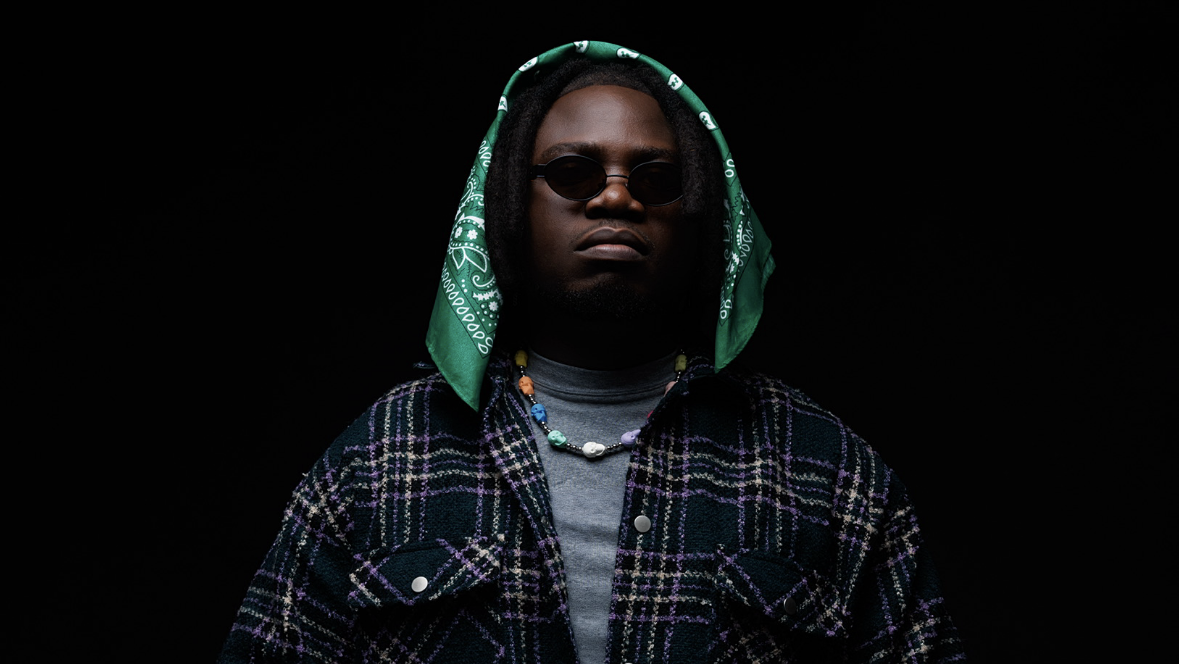
That idea is established before the first song even plays. The artwork for‘Stylish’ sees Kaestyle dressed in an Etibo, a traditional Rivers outfit, layered with an urban jacket.
It is a deliberate meeting of worlds: the traditional and the contemporary, culture and streetwear, R&B and hip-hop. The image becomes a visual introduction to the album itself.
Kaestyle is not choosing between where he comes from and where his music is going. He is placing both in the same frame.
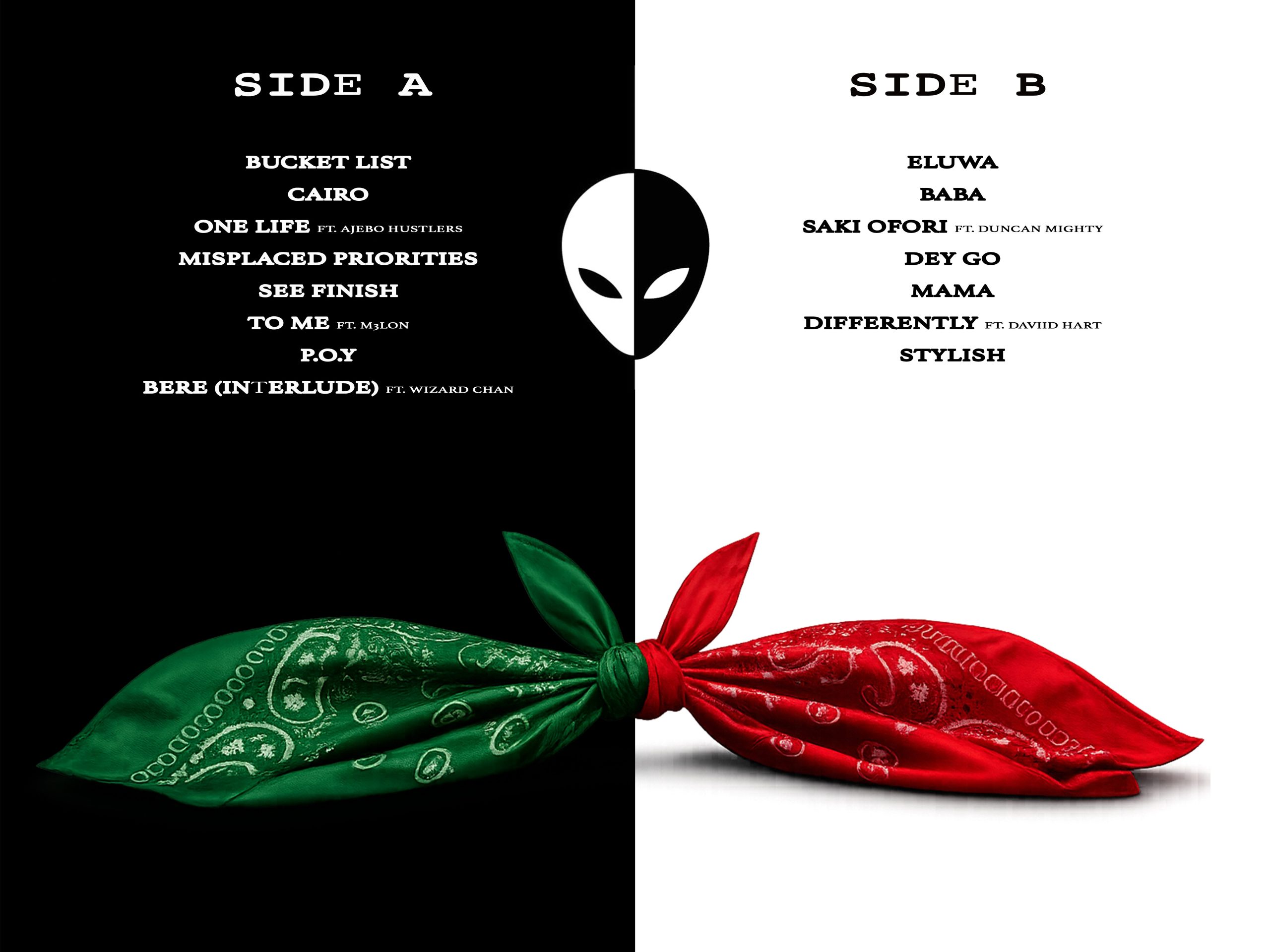
The album is divided into two sides, much like a vinyl record. Side A leans into Kaestyle's R&B instincts, giving room to softer melodies, intimacy and introspection.
It opens with "Bucket List" before moving through songs like "Cairo", "One Life" featuring Ajebo Hustlers, "See Finish", "To Me" featuring M3LON, "P.O.Y" and "Bere (Interlude)" featuring Wizard Chan.
There is an unhurried quality to this section of the album. Kaestyle allows his vocals and songwriting to carry the songs rather than constantly chasing a big moment. "One Life" adds the chemistry of Ajebo Hustlers, while "To Me" and "Bere" further establish the emotional side of the project. The result is a Side A that feels personal without becoming overly heavy.
Then comes Side B, where the album opens up into Kaestyle's Afrobeats side. "Eluwa", "Baba", "Saki Ofori" featuring Duncan Mighty, "Dey Go", "Mama", "Differently" featuring Daviid Hart and the title track "Stylish" shift the project's energy while retaining the melodic sensibility established earlier.
The distinction between both sides is important because it gives the album structure. Rather than presenting Kaestyle's versatility as a random movement between sounds, Stylish gives each side its own character.
Side A makes the case for his R&B instincts; Side B shows his comfort with Afrobeats and the sounds closer to his Nigerian roots. Together, they make the argument that these are not competing versions of Kaestyle. They are both him.
That becomes particularly significant on "Saki Ofori", where Duncan Mighty brings another layer of Port Harcourt identity into the album.
For Kaestyle, culture is not simply an aesthetic detail attached to the project. It appears in the music, the artwork and the people he chooses to collaborate with.
The same cultural consciousness extends to the album's hip-hop connection. A Kaestyle and ElDee collaboration carries its own significance beyond the song itself. For an emerging generation, having an OG associated with the project creates a bridge between different eras of Nigerian music. It is a reminder that today's artistes are building on a culture that existed long before their arrival.
Kaestyle's connection to his roots is also evident in one of the more personal ideas behind the ‘Stylish’ artwork. Growing up, he encountered two rival fraternities in his neighbourhood, identified by red and green. Bringing those colours together was his way of communicating a simple idea: beneath the colours, affiliations and divisions, people are still human beings. On an album concerned with identity, that image adds another dimension to what ‘Stylish’ represents.
And perhaps that is what makes the album's title increasingly fitting as the project unfolds. Style, in Kaestyle's world, is not merely how one dresses or sounds. It is how an artiste carries his history into the present and decides what to do with it.
With ‘Stylish’, Kaestyle makes a case for himself as an artiste who does not need to be confined to one sound to have an identity. His debut album is rooted in Port Harcourt but open to the wider Nigerian musical landscape; contemporary in its execution but conscious of the culture that shaped him.