Tyla's 'A*Pop' World Tour is missing the world it was named after

African pop. Sixteen American cities while having only three African cities?. Someone should ask why.
On 24 July 2026, Tyla released A*Pop, her sophomore album and the most deliberate artistic statement of her career. The title is not a metaphor. It is not branding. It is a definition. A*Pop stands for African Pop, and Tyla has been unambiguous about what that means. Speaking with Apple Music's Ebro Darden, she said, "A*POP is literally me trying to extend the idea of what an African pop star looks like and what an African pop star sounds like." The album is a declaration. The tour, announced alongside it, is a different story entirely.
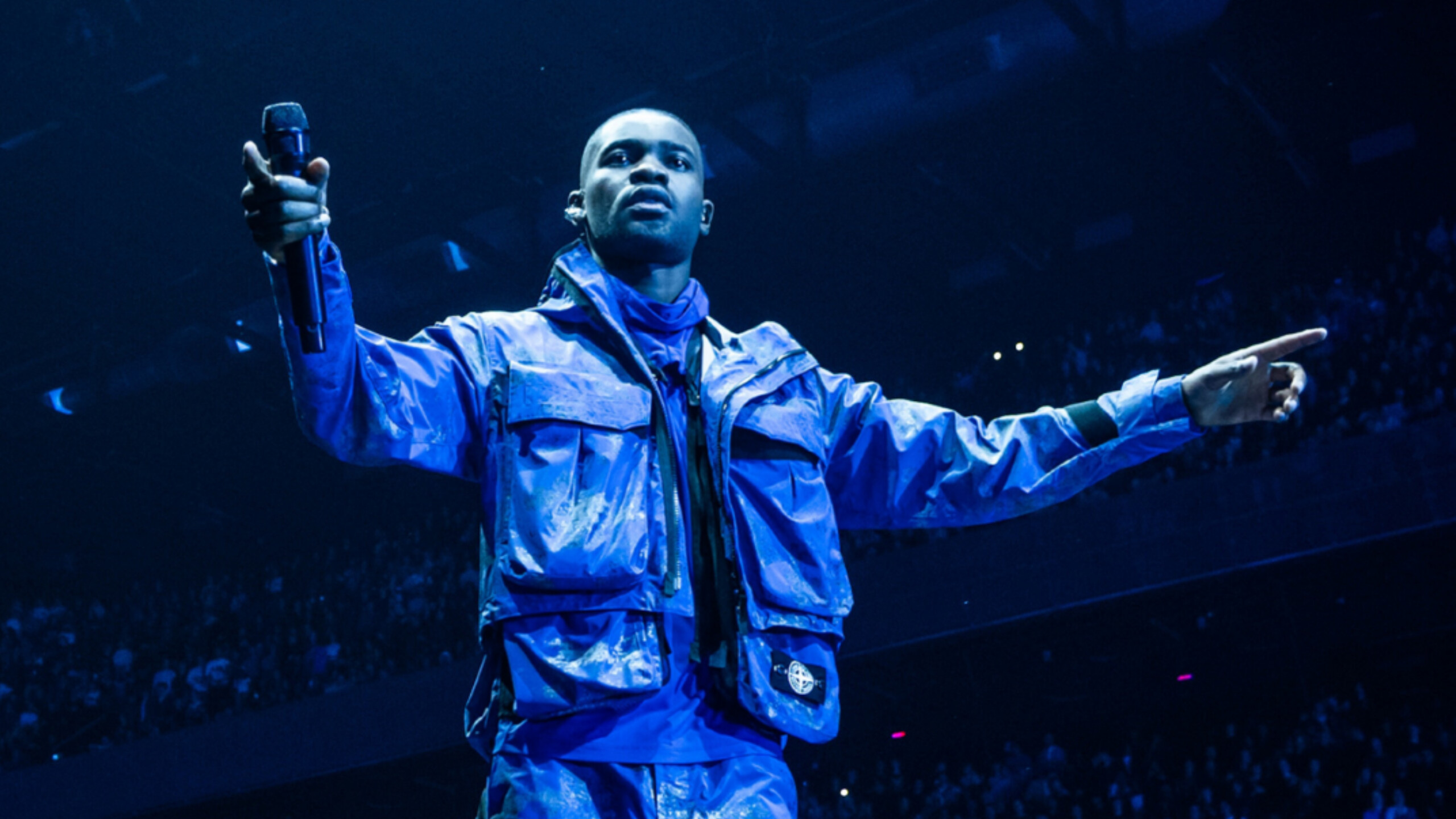
The A*Pop World Tour itinerary lists sixteen cities in North America, ten in Europe, and three in Africa. Johannesburg. Cape Town. Lagos. That is the full extent of the continent's representation on a tour named after African pop, by an artist who has staked her entire second album on redefining what African pop stardom looks like on a global scale. Glasgow made the cut. Norway made the cut. Sacramento made the cut. Nairobi did not. Accra did not. Abidjan did not. Dar es Salaam did not.
To be fair to Tyla, the three cities she chose are not arbitrary. South Africa is her home. Johannesburg and Cape Town are where she comes from, where her Tygers first found her, and where the Bacardi dance that launched Water into the global consciousness was born. Lagos is the commercial capital of the continent's most important music market, the city that built the infrastructure afrobeats used to conquer the world. If you are an African artist doing three African dates, those three make sense. Nobody is arguing otherwise.
But three is the problem. Not which three. Just three.
🚨 Tyla Set to Bring Her “A*POP” World Tour to Lagos, Nigeria 🇳🇬 🏟️ https://t.co/LEjOhFK6ds pic.twitter.com/FdLWKPMhFI
— HYPETRIBE (@hypetribeng) July 27, 2026
Tyla has described A*Pop as "a deliberate gambit to reshape the architecture of the much-debated Western crossover framework by wholly leaning into her identity as a pop IT girl from Africa, bringing her community along with her for the ride." That community is not exclusively South African. It is not only Nigerian. It lives in Nairobi, where East African pop has been growing a generation of fans who have watched Tyla's rise with pride and adopted her as one of their own. It lives in Accra, where Ghana's creative class has been central to the global African music conversation for over a decade. It lives across francophone West Africa, across East Africa, and across cities that rarely see major international touring acts precisely because the industry has historically decided they are not worth the logistics.
The touring economics argument will be made, and it is not entirely dishonest. African concert infrastructure is genuinely inconsistent. Promoters in some markets are less established. The financial guarantees are smaller. A 1,000-capacity venue in Nairobi is not the same risk calculation as a 15,000-capacity arena in Chicago. These are real constraints that artists and their management navigate, and dismissing them entirely would be naive.
But Tyla is not a mid-level act trying to break even. She is a two-time Grammy winner, the first South African artist to win World Artist of the Year at the iHeartRadio Music Awards, a Billboard chart regular with a major label behind her and an album she has publicly defined as an African pop mission statement. If any artist has the profile, the resources and the cultural mandate to take that risk on a Nairobi venue or an Accra show, it is her. The argument that it cannot be done is significantly weaker when you are simultaneously booking Irving, Texas.
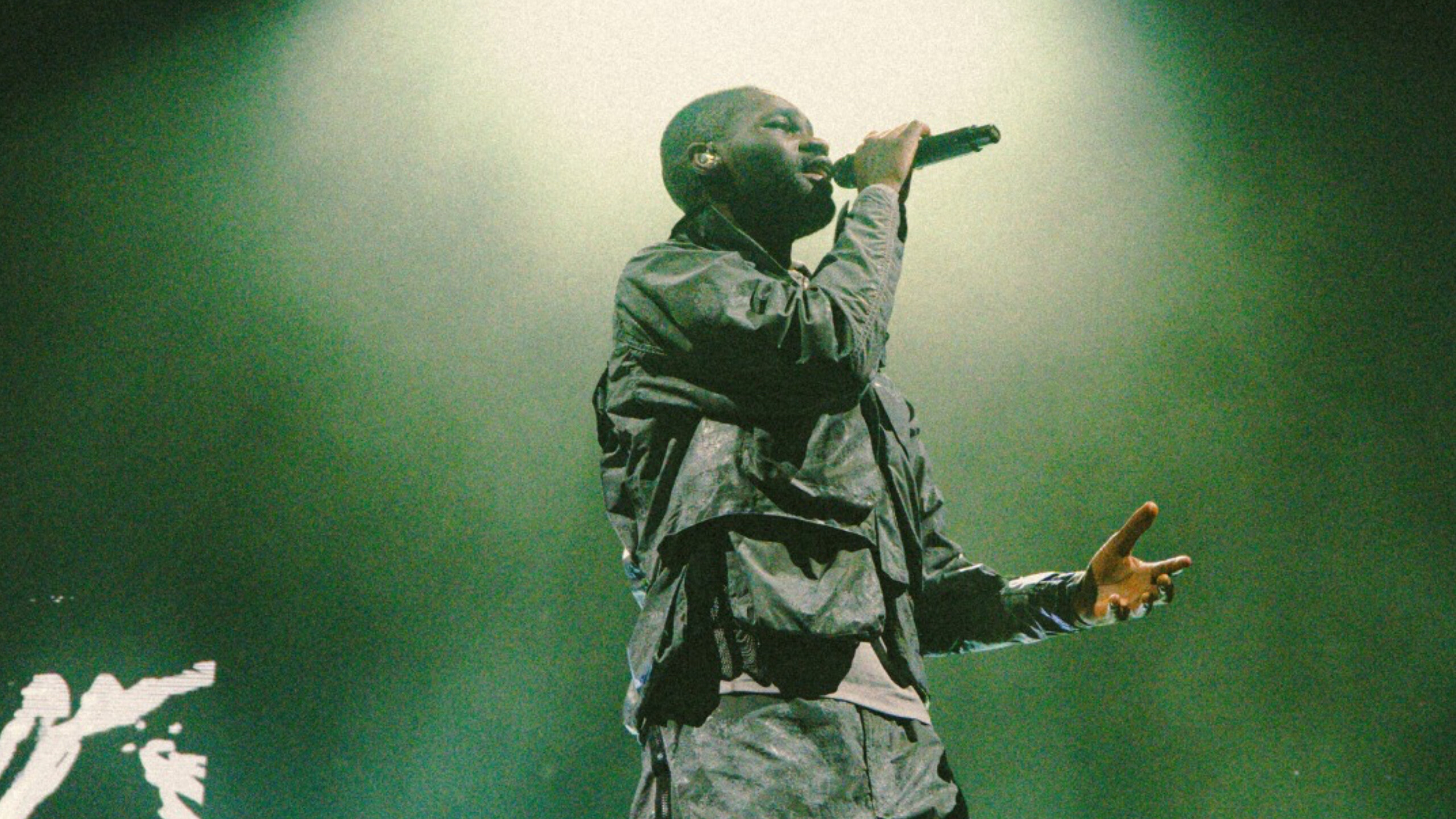
There is also something worth saying about what touring means beyond commerce. At Afro Nation Portugal earlier this month, when asked about her favourite moment from the performance, Tyla didn't mention the scale of the crowd or the production. She smiled, talking about the stage ramp. "I love being within the people," she said. "If I could perform in the crowd, I would. " That sentiment is beautiful. It is also, given the tour itinerary, a little difficult to square. The people who arguably have the most invested in what A*Pop represents, the fans across the continent for whom seeing an African woman command a global stage is not just entertainment but something closer to evidence, are the ones least likely to see this tour.
This is not an attack on Tyla. Her artistic intention on A*Pop is genuine, her connection to the continent is real, and her body of work speaks for itself. But intention and execution are different things, and right now the execution is telling a story that slightly undercuts the manifesto. You cannot title an album African Pop, tell the world you are trying to redefine what an African pop star looks like, and then send the tour to sixteen American cities. At the same time, the majority of Africa watches from a phone screen.
The A*Pop World Tour still has time. Tours get extended. Dates get added. Management reads the room. And the room, right now, is the rest of Africa asking politely, and somewhat pointedly, why Norway got a date, and Nairobi did not.