How Audiomack led the new wave of how Nigerians consume music
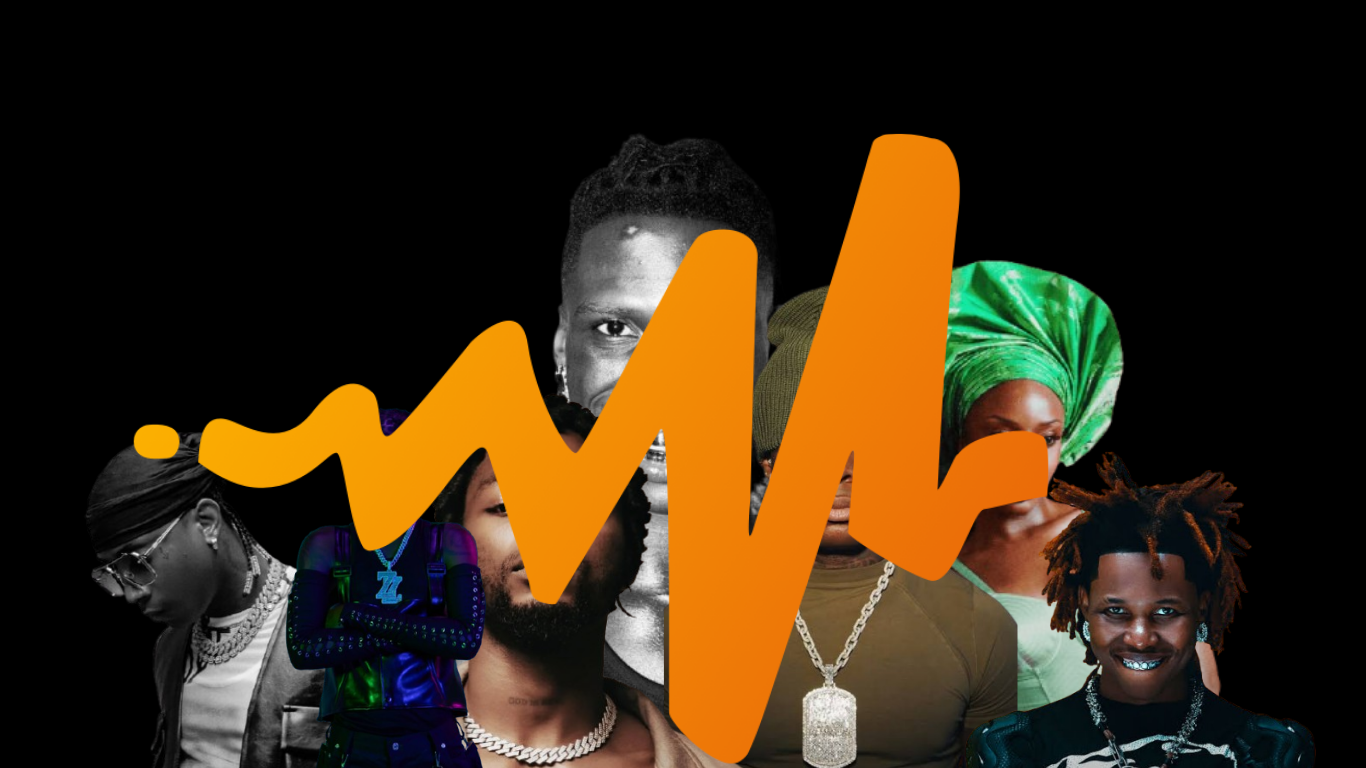
How Audiomack rewired the way Nigeria listens to music, and why it took Lagos seriously long before the rest of the industry saw gold
Ask any Nigerian who was a teenager around 2014 hunting MP3s on blogs how they got new music, and you will hear some version of the same story. You heard the song at a party or saw the title trending on Twitter. You opened a blog, NotJustOk, TooXclusive or Naijaloaded, and scrolled past the pop-ups until you found the real “Download Mp3” button, not the three fake ones stacked on top of it. Then the file lived on your phone. You played it until the next banger dropped, and you passed it to your guys over Xender or Bluetooth.
Nobody asked for a card. Nobody asked for a monthly fee in dollars. You only paid for data, and after that all the songs you downloaded were yours.
This is the culture global streaming walked into, and for years it mostly walked around it. The subscription model that won in other parts of the world assumed the internet network never fails, bank cards worked at any checkout, and a listener is happy to pay monthly for access they never get to keep. Very little of that described Lagos, Accra, Joburg or Dar es Salaam.
Audiomack read the room differently. It did not arrive with a plan to teach Nigerians a new habit. It took the habit they already had, the download button, and gave it a home where every play was counted and artists could get paid. Then it did something few global platforms were willing to do at the time: it set up its first African office in Lagos, with a local team, months before any other streaming service had even switched on in Nigeria.
The result is that Audiomack’s largest market in the world today is not the United States. It is Nigeria. And the reason is simple enough to fit on one line.
Audiomack didn’t invent Nigerian talent. It gave that talent a direct line to its listeners.
Streaming was designed for someone else
To see what Audiomack got right, it helps to be honest about how Nigeria looked from the outside a few years ago. In 2018, music streaming in Nigeria generated about $3.3 million in revenue, with projections of $18 million by 2023. For a global platform answering to shareholders, those numbers are rounding errors. Add low revenue per user, cards that failed on international checkouts and prepaid data sold by the megabyte, and it is easy to see why Nigeria sat on so many “later” lists.
The field was not empty. One DSP, launched in 2015, had a real head start and a clever distribution play through the handsets millions of Nigerians already carried. While some were only there for people with the right card. But one DSP in particular, the platform that supposedly defines streaming for most of the world, did not launch in Nigeria until February 2021.
So in 2018 and 2019 the picture looked like this: a local player riding on phone distribution, a few global names present in the app store but absent from the culture, and a young audience still doing most of its listening through blogs, file-sharing and downloads. The demand was obvious. The model that would unlock it was missing.
Built for the file, not the feed
Audiomack did not start as an African company. It was founded in New York in 2012 as a place where artists could share mixtapes, songs and albums for free, and its early audience was hip-hop heads raised on free mixtape sites. That origin matters more than it looks. Audiomack’s instincts were free-first, uploader-first and comfortable with music no major label had blessed yet.
The feature that made the difference in Nigeria was a plain one: free offline downloads. On Audiomack you could save songs to your phone on the free tier and play them later without spending another kobo on data. Buy a night bundle, download the week’s music, and listen on the bus, at the shop, anywhere. On most global platforms, offline listening sat behind the paywall.
Look at what that did. The old blog ritual survived, only cleaner: no fake buttons, or no dodgy files And for the first time, when a fan in Surulere played a song fifty times, those fifty plays were counted and could earn the artist money from advertising. The listener kept what they valued. The industry finally got the data and revenue it needed. By the end of 2024, Audiomack reported 1.9 billion offline downloads in Nigeria alone.
Audiomack did not ask Nigerians to change how they listened. It changed where that listening got counted.
Over time the blog post gave way to the link. The “out now” post on an artist’s timeline started pointing to a streaming page instead of a download page, and the file-sharing habit moved inside an app. That is what a shift in consumption culture usually looks like. It is rarely a revolution. It is a habit that finds a better home.
How Audiomack gave Nigerian music a direct line to its listeners
1. Audiomack Took Nigeria seriously early
Audiomack’s commitment did not begin with an office. It began with listening. In early 2018, Adeyemi Adetunji, a Nigerian lawyer, started curating Nigerian music for the platform. By 2019 Audiomack was among the most downloaded apps in Nigeria on Google Play, and co-founder Brian Zisook has described that year’s growth as “a hockey stick.” The company put money into the culture before it had an address here, backing a Rising Star initiative for new African talent (seven of its artists performed at Afrochella in Accra in December 2019) and sponsoring Afro Nation.
Then, on 16 July 2020, with the world in lockdown, Audiomack formally announced its first African office, and it chose Lagos. It hired from the region: Adetunji to lead operations and commercial partnerships, Kenya’s Charlotte Bwana on business development and media partnerships, and Olive Uche on content strategy.
Sit with the timing for a second. Streaming revenue still looked small. The naira was under pressure. Nobody was writing think pieces about a Nigerian streaming boom. Audiomack came anyway, seven months ahead of Spotify’s Nigerian launch, and it came with people rather than a press release.
What “taking a market seriously” looked like in practice
1. Making sure you have people on ground: A Lagos team hired from the region, making calls on content and partnerships locally instead of from New York.
2. Prices were built for the local wallet: Premium launched at roughly ₦535 a month in 2020, later with daily and weekly options, while the free tier kept offline downloads. Paying became an upgrade, not an entry fee.
3. Payments that work here: Partnerships with Flutterwave and Carry1st tackled the card problem that locks so many Nigerians out of paying for digital services.
2. It became the home of the streets
If you want one case that explains Audiomack in Nigeria, it is Seyi Vibez.
Seyi Vibez did not come up through the usual gatekeepers. His sound is street-rooted, Yoruba-heavy and fuji-inflected, the kind of music that fills barbershops and danfo speakers on the mainland long before it reaches Island radio playlists. Audiomack’s human curation, including local curators the company now backs through its Tastemakers programme, picked up on that energy early and kept pushing it.
Audiomack was there for the story as well as the streams. In 2021 it was the first place Seyi Vibez gave a major interview after his breakout with the runaway success of “God Sent.” In it, he explained how the song took off: “We didn’t have any money for promotion, but he had a platform on Audiomack and told me to allow him to put it up there. We did, and the numbers went through the roof.” The platform was not just where his music ended up. It was part of how he broke through.
He was not the only one. Audiomack was also possibly the first major interview for the likes of Bella Shmurda and Mohbad, and for Ayra Starr a full year before she joined UpNow. Long before these names were on festival posters, Audiomack was already telling their stories.
The numbers followed the culture. Seyi Vibez was the most-streamed artist on Audiomack in Nigeria across 2020 to 2024, with 1.4 billion streams. By December 2025 he had passed 2.2 billion streams on the platform globally, making him Audiomack’s most-streamed African artist and second on the entire platform worldwide, behind only YoungBoy Never Broke Again. His November 2025 album is called, fittingly, Fuji Moto, and its title track alone passed 250 million streams.
That is what a direct line looks like. An artist the mainstream was slow to champion found his audience at full scale, and the audience found him without waiting for anyone’s permission.
When access is free and offline, the chart stops measuring who can pay and starts measuring what the street plays.
3. It backed genres others overlooked
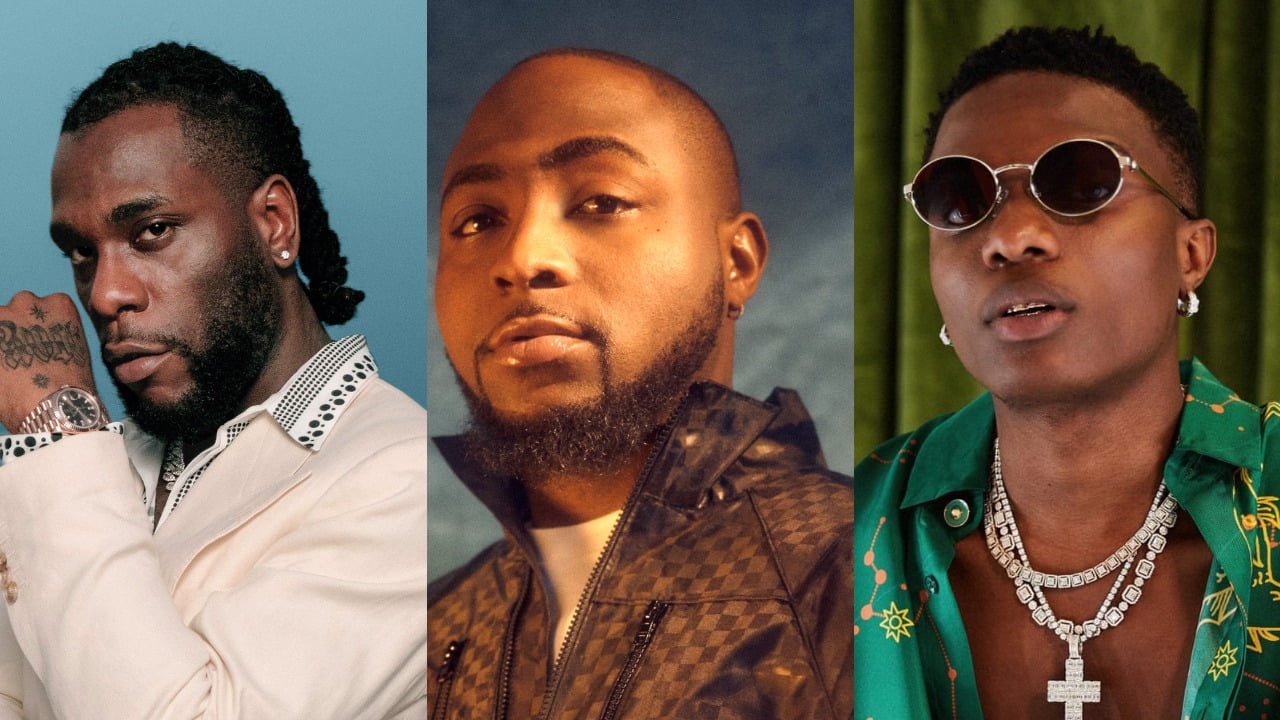
The global Afrobeats story is usually told through Burna Boy, Wizkid and Davido: the stadium names, the Grammy names. Audiomack’s own data tells a different, more local story.
According to the company’s five-year Nigeria report, Seyi Vibez led Audiomack Nigeria from 2020 to 2024 with 1.4 billion streams, ahead of Asake on 1.2 billion and Burna Boy on 1.1 billion, Next came Bella Shmurda (735 million), Omah Lay (716 million), Kizz Daniel (700 million), Mohbad (647 million), Olamide (624 million) and Zinoleesky (606 million), Davido (543 million), Fireboy DML (508 million) and Wizkid (459 million) round out the top 12. Half of those twelve are street-pop or fuji-leaning acts, and Seyi Vibez was streamed roughly three times as much as Wizkid.
Burna Boy is there, and he was the first African artist to pass one billion streams on the platform. But look at who leads. Seyi Vibez and Asake sit at the top, with Bella Shmurda, Mohbad, Olamide and Zinoleesky close behind. This is street-pop and fuji-flavoured music, much of it rooted in Lagos mainland culture and the Olamide/YBNL lineage. Wizkid, arguably the biggest Nigerian artist on the global stage, is twelfth.
Fuji and street-pop are enormous in Nigeria, yet for years they were treated as local flavour rather than the main event. On Audiomack they are the main event. In 2025, 94 of the top 100 most-streamed artists on Audiomack in Nigeria were Nigerian. That is a platform where Nigerian listeners hear Nigerian music first, and where the chart reflects the barbershop, the viewing centre and the owambe, not just who can afford a dollar subscription.
4. It made discovery repeatable
Breaking one star can be luck. Breaking them season after season is a system. Audiomack leaned on human editors and curators rather than leaving discovery entirely to an algorithm, and it built programmes that turn that judgment into a public bet.
The first was UpNow, which gave selected emerging artists dedicated editorial backing. Omah Lay was its first African artist in 2020, and his debut EP went on to pass 100 million streams on the platform. UpNow has since been replaced by You Need To Hear (YNTH), and its Nigerian picks read like a map of where street music is heading: street-hop sensations TML Vibez and Famous Pluto, and Southeast rapper Evado.
The second, and now the more visible, is the annual Artists to Watch list. It has become a recognised early signal in African music, and the two programmes feed each other. Nigeria’s Ayo Maff got his YNTH feature the year before he made Artists to Watch, then went on to have a defining 2025, alongside other past picks such as Usimamane, OliveTheBoy and Zee Nxumalo, who all had major moments that year. The 2026 list, which includes Nigeria’s street-pop newcomer Shoday, who is clearly having a great year.
A platform that predicts breakouts becomes part of how careers are made, not just where music is consumed.
When an industry starts using your list to decide who to sign, book and brief, you are no longer only the shelf. You are part of the Afrobeats pipeline.