How a DNA Test Led GRAMMY Winner Matt B Back to His Ancestral Homeland
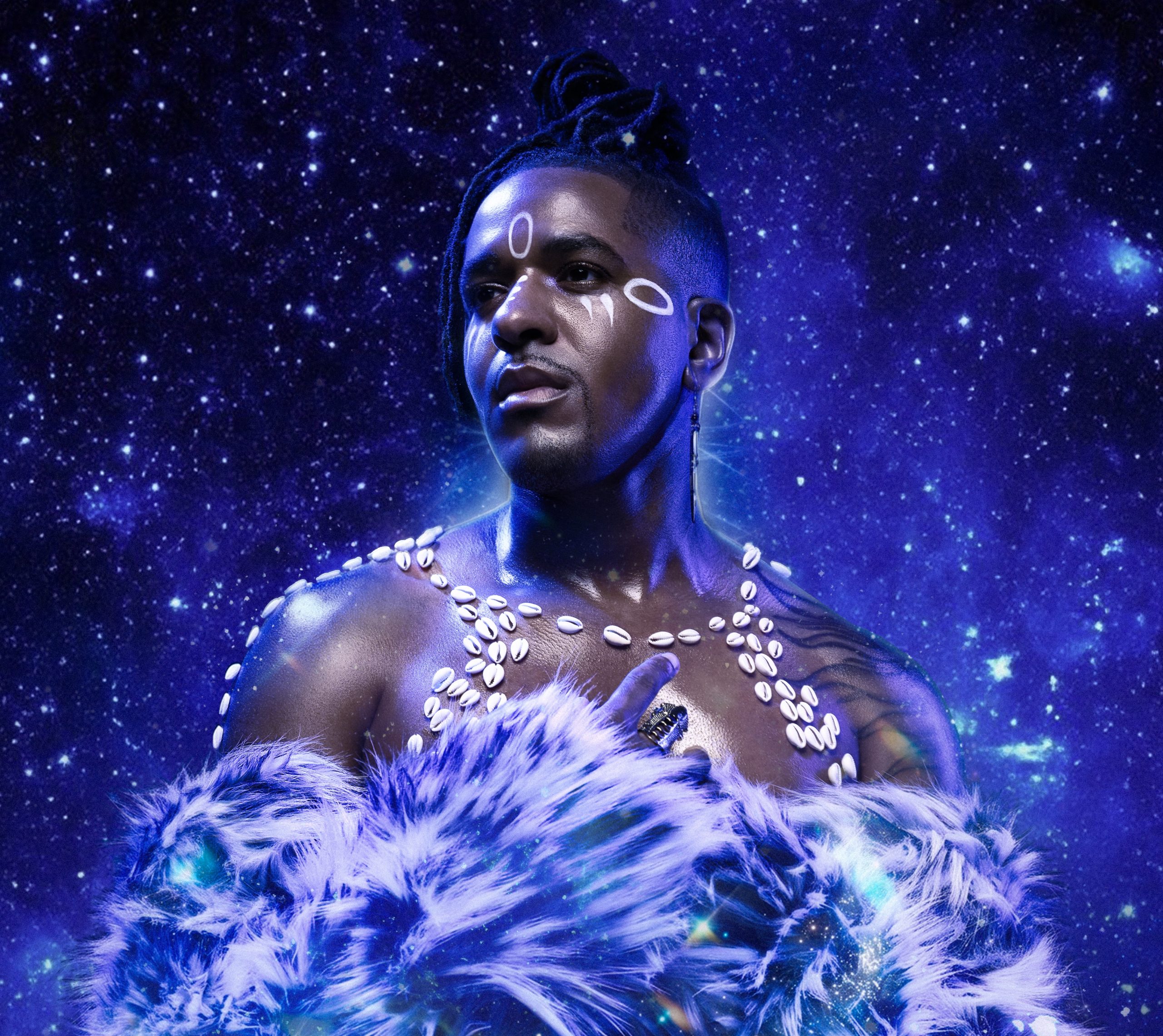
What began with an AncestryDNA® test became a journey across Ghana and Nigeria for GRAMMY® Award-winning artist Matt B, culminating in ‘ALKEBULAN III: The Water Remembers,' an ambitious exploration of ancestry, identity, and what survives when history attempts to erase both.
Six years ago, Matt B took a DNA test hoping to answer a question that had lingered within his mind for years: “Where do I come from?” The answer would eventually lead him thousands of miles from his home in Los Angeles to West Africa, through the slave routes of Ghana and ultimately to Owerri, Nigeria, where genealogical research traced his ancestry to the Igbo people of Imo State.
What began as a search for lineage has since evolved into ALKEBULAN III: The Water Remembers, the final installment of Matt B’s acclaimed ALKEBULAN trilogy and perhaps the most personal work of his career. Spanning an album, short film, and feature documentary, the project examines ancestry, cultural memory, and the enduring relationship between Africa and its global diaspora. Ambitious in both scale and intention, ALKEBULAN III turns one artist’s ancestral search into a sweeping exploration of memory, belonging, and cultural reclamation.
For Matt B, the journey carries particular significance. The Chicago-born artist won the GRAMMY Award for Best Global Music Album in 2025 for ALKEBULAN II, but rather than treating that achievement as the culmination of the story, he used it as a catalyst to dig deeper. The result is a body of work concerned less with where a person lives than with what remains within them.
At the heart of ALKEBULAN III is a provocative idea: history can separate people from their homeland, but it cannot completely erase the memory of where they came from. That idea took on new meaning when Matt and his wife, producer and manager Angela V. Benson, traveled to Ghana and Nigeria in June 2026, turning years of research into a physical return to the continent.
Walking Through the History That Came Before Him
Before reaching Nigeria, the pair traveled through Ghana, where the history of the Transatlantic Slave Trade became impossible to experience from a distance. At Assin Manso Slave River, one of the final places where captive Africans were bathed before being marched toward the coast, they participated in a traditional blessing ceremony honoring those whose lives, families and identities were fractured by the slave trade. They later traveled to Elmina Castle and stood before the Door of No Return, the threshold through which generations of Africans passed before being forced onto ships bound for the Americas. For descendants of the African diaspora, places like Assin Manso and Elmina occupy a complicated space. They represent profound loss, but they also preserve evidence of lives and identities that survived beyond the systems designed to erase them. For Matt, confronting that history while simultaneously tracing his own ancestry transformed something historical into something intimate.
The story of ALKEBULAN III is not simply about discovering where one man came from. It is about confronting what was taken, recognizing what survived, and asking whether ancestral memory can outlive displacement itself. It is this intersection of the deeply personal and the profoundly historical that gives ALKEBULAN III its emotional weight. Those questions permeate the album, which brings African musical traditions into conversation with R&B, Afrobeats, and sweeping orchestral arrangements recorded with the Royal Philharmonic Orchestra at Abbey Road Studios. Its collaborators span generations and regions, including Fatoumata Diawara, Skales, Goya Menor, Boy Spyce, Camidoh, The Cavemen, and Kabusa Oriental Choir, alongside the Royal Philharmonic Orchestra. The result is a richly layered body of work that feels simultaneously intimate and expansive, rooted in one family’s history while reaching toward a much larger diasporic experience. Yet the scale of the production never eclipses the deeply personal question that started it: “Where is home when generations have passed since your family was taken from it?”
A Homecoming Centuries in the Making
Nigeria offered an answer Matt could not have anticipated when he first submitted his DNA sample six years earlier. After tracing his lineage to the Igbo people of Owerri, Imo State, he arrived carrying a family history that had been interrupted for generations. What followed was not simply a visit but a homecoming. Community members welcomed him through traditional ceremonies recognizing his ancestral connection to the region. His Royal Majesty Eze Engr. Chidume Okoro (Ugo Amano Obohia) bestowed upon him the Igbo name Ikechukwu, meaning “God’s power,” affirming an identity that genealogical research had first revealed thousands of miles away. Matt was also conferred the chieftaincy title ‘Ahamefula', carrying the meaning “May my name not be forgotten,” a phrase that resonates far beyond ceremonial recognition in the context of the African diaspora. He later received the title ‘Nwanne Di na Mba’, or “A brother in a foreign land,” from His Royal Highness Eze Leo Nwokocha (Ato Di Ire), recognizing both his ancestral connection and his commitment to strengthening the relationship between Africa and its diaspora. For a descendant of people whose names, languages, and precise origins were obscured by slavery, being given a name that declares, "May my name not be forgotten," carries an almost startling historical weight.
But perhaps the most profound moment came without a title at all. Matt met his relatives living in Owerri for the first time. Suddenly, genealogy was no longer expressed through percentages, records or migration patterns. It had faces. It had voices. It had names. He learned more about a family lineage that includes respected traditional leaders and encountered living relatives connected to a history his branch of the family had been separated from for generations. In that moment, the story shifted from one of ancestry discovered to ancestry restored. Few moments capture the heart of the album more clearly: a project about ancestry ultimately becomes a story about belonging.
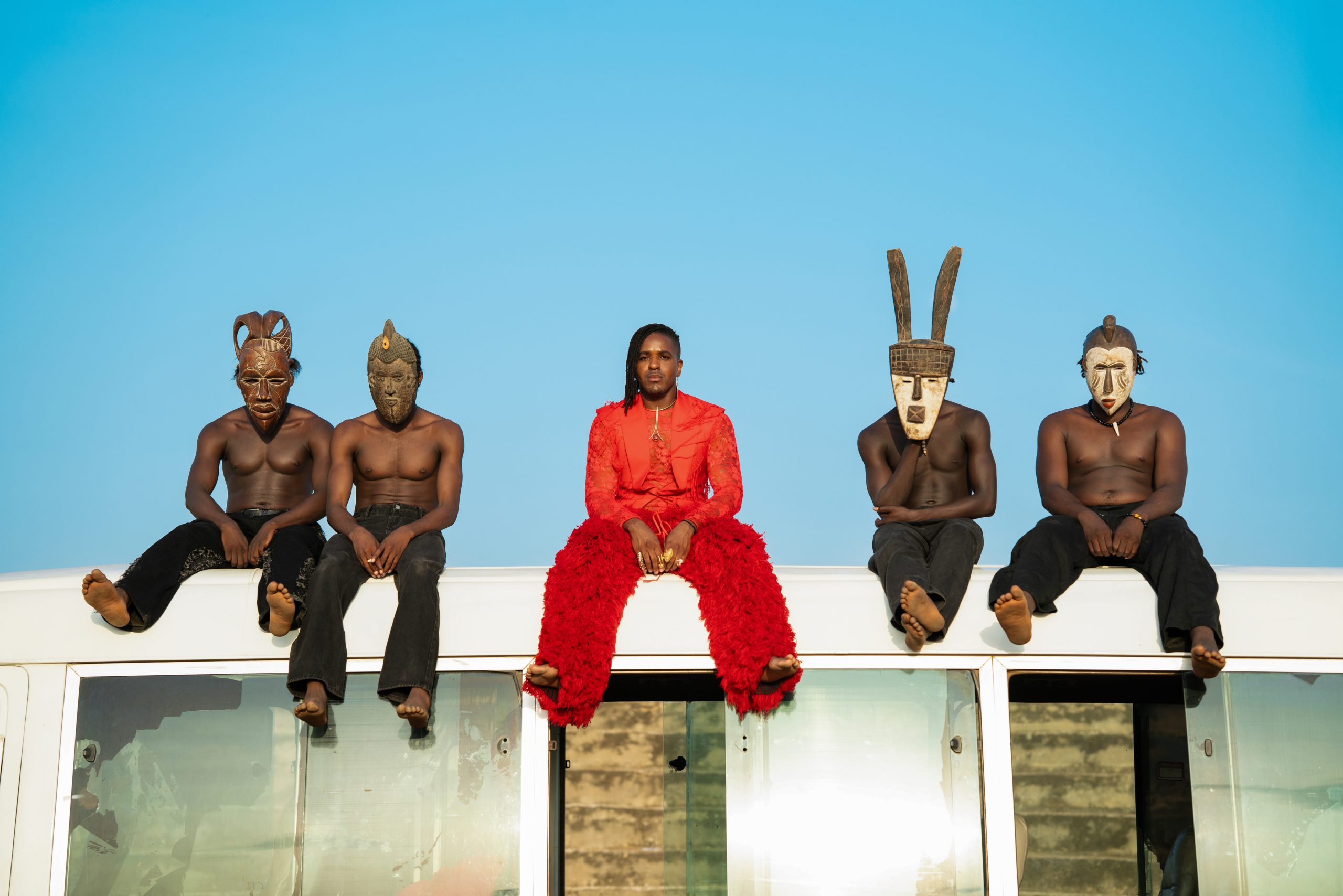
That distinction is central to ALKEBULAN III: The Water Remembers. The album does not approach Africa as an aesthetic or distant source of inspiration. Instead, it treats ancestry as something living: carried through music, family, spirituality, tradition, and memory, even when the historical record is incomplete. In doing so, ALKEBULAN III emerges as more than an album; it becomes an ambitious work of music, memory, and cultural reclamation. Its title draws from the recurring idea that water has memory. Across the project, water becomes both witness and metaphor. The Atlantic Ocean represents one of history’s greatest separations of African people, yet it is also the body of water connecting the continent to the descendants of those who were taken from it. That contradiction sits at the center of the project. The same water that once carried millions away from Africa now becomes the symbolic path through which one descendant finds his way back. It is a concept that allows Matt’s individual story to speak to something considerably larger.
Across the global Black diaspora, millions of people live with family histories disrupted by slavery, colonialism, migration, and cultural erasure. Names disappeared. Languages were lost. Families were separated. Specific villages, kingdoms, and ethnic identities became impossible for many descendants to trace. Modern genealogy cannot undo that history. But for some, it can begin to illuminate what survived it. That possibility is where ALKEBULAN III finds much of its power. Rather than framing ancestry solely as an investigation into the past, the project asks what rediscovering that past might mean for the future. At its strongest, ALKEBULAN III feels less like a retelling of history than a reclamation of the identity that history attempted to interrupt.
Matt B went searching for the people who came before him. What he found was a clearer understanding of the person he had become. And perhaps that is what makes his journey resonate beyond one artist, one album, or even one family. For generations of people across the diaspora, the question “Where do we come from?” has often existed without an answer. Matt’s story does not suggest that every search will end with a village, a ceremony, or relatives waiting on the other side of the Atlantic. It suggests something more fundamental: that the search itself can matter.
ALKEBULAN III: The Water Remembers ultimately transforms Matt B’s search for his origins into a powerful meditation on ancestry, identity, and cultural memory. It is both a deeply personal homecoming and a resonant statement about the enduring relationship between Africa and its diaspora. Centuries after the Transatlantic Slave Trade attempted to sever millions of people from their names, cultures, and homelands, Matt B’s journey offers a different ending to that history. Some stories survive the distance. Some names find their way home. And sometimes, what history tried to erase is still waiting to be remembered.
Check latest Naija music of 2026 here and Get Fresh updates as they drop via X and Facebook