Super Falcons of Nigeria players react to the postponement of WAFCON 2026
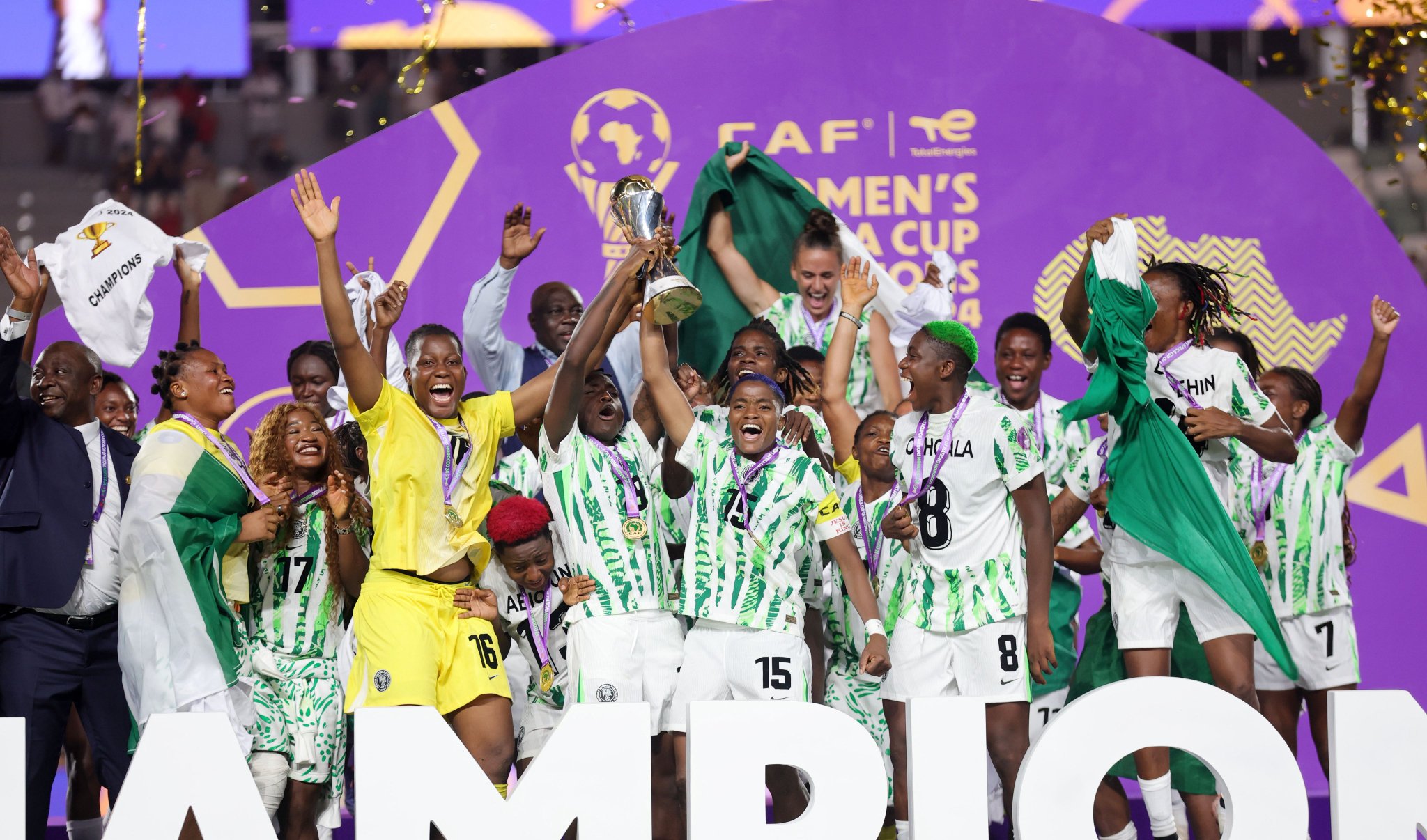
Players of the current WAFCON champions, the Super Falcons of Nigeria, have reacted to the postponement of the 2026 edition of the tournament.
The decision by the Confederation of African Football (CAF) to postpone the 2026 Women’s Africa Cup of Nations (WAFCON) has left the continent’s football community in a state of shock, with players and fans alike venting their frustrations over the abrupt change.
Originally scheduled to kick off in Morocco on March 17, the continental showpiece has been pushed back to a new window of July 25 – August 16, 2026. The shift, announced just days before the tournament was set to begin, was attributed by CAF to “unforeseen circumstances.”
For the participating teams, most of whom were already in the final stages of their preparations, the announcement feels less like a logistical adjustment and more like a significant setback.
The Super Falcons of Nigeria, who were deep in “tournament mode” following a two-match friendly series against Cameroon, are among those most affected. The sudden decamping of the squad and the return of players to their respective clubs has drawn sharp criticism from the team's leadership.
Super Falcons captain Rasheedat Ajibade, who has been a vocal leader for the side, took to social media to voice her dismay. In a direct and widely shared message, she stated, “African women’s football deserves better.”
Her sentiment was echoed by teammate Rinsola Babajide, who did not mince words regarding the timing of the decision. Calling the situation “embarrassing,” Babajide highlighted the practical chaos that such last-minute changes create for professional athletes who must constantly align their club commitments, personal schedules, and international duties.
This frustration is compounded by a history of perceived inequality. Former captain Desire Oparanozie, a veteran of several WAFCON campaigns, pointed to the recurring pattern of disruptions that seem to plague the women’s game.
Reflecting on past cancellations and contrasting them with the consistent prioritisation of the men’s AFCON, she noted that players consistently “put their lives on hold” to prepare for these tournaments, only to see their efforts undermined by late-stage administrative indecision.
The uncertainty surrounding the host nation has added another layer of anxiety. While Morocco remains the official venue, reports of logistical challenges and the potential for South Africa to step in as a contingency host have fueled speculation and unease.
For the Super Falcons, who were building momentum and cohesion, the four-month wait until July presents a difficult challenge. The team must now reset, manage player fitness over a longer period, and navigate the uncertainty of a tournament calendar that has been suddenly and dramatically rewritten.
As the dust settles on the announcement, the overriding message from the players is clear: they are ready to compete, but they are tired of being treated as an afterthought in the broader landscape of African football.
Read the Latest Sports News Today and Get Fresh updates as they drop via X and Instagram