Cultural institutions are not declared; they are formed through time, trust and presence. In Nigeria’s contemporary entertainment landscape, Pepsi has quietly evolved into one.
Long before Detty December became a global phrase, Pepsi was already embedded in the structure of December, supporting concerts, backing DJs, and investing in platforms that would later define the season.
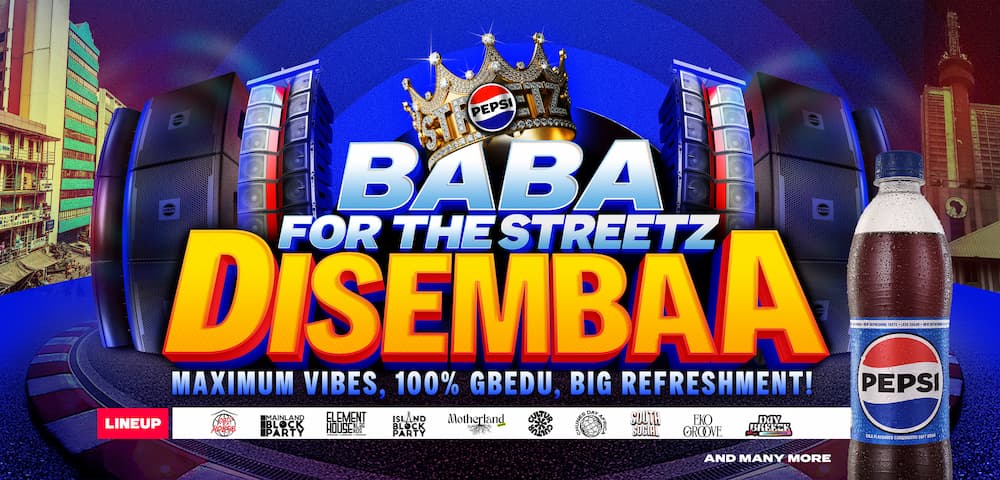
From early live music experiences like Corporate Elite and Rhythm Unplugged to DJ-driven spaces and block parties, Pepsi consistently positioned itself where culture was forming, not where it had already arrived.
“For a while, it was Pepsi and December,” recalls Ayo Animashaun. “They were everywhere.”
One of the brand’s most significant cultural interventions was its early recognition of DJs as central figures in nightlife culture. At a time when DJs were largely seen as facilitators rather than tastemakers, Pepsi placed them front and centre both symbolically and commercially.
DJ Obi recalls that shift vividly. “The first December we did Obi’s House, Pepsi was the only brand there. That told us we were seen.”
This long-term commitment extended to alternative and emerging spaces. Ronny Jadtiani of Element House reflects on a decade-long partnership. “From 2016 till now, Pepsi has always believed in our vision. That consistency is rare.”
Perhaps the clearest measure of institutional relevance is adaptability. As Nigerian music expanded globally and December culture diversified from concerts to raves to block parties, Pepsi remained present, adjusting its approach without losing cultural alignment.
Joey Akan summarises it best: “Every time the culture shifts, Pepsi shifts with it.”
Detty December did not emerge overnight. Neither did Pepsi’s place within it. What exists today is the result of years of sustained cultural investment by a brand that didn’t just sponsor moments but helped build them.
Get the latest Naija music News of 2026 here and Get Fresh updates as they drop via X and Facebook