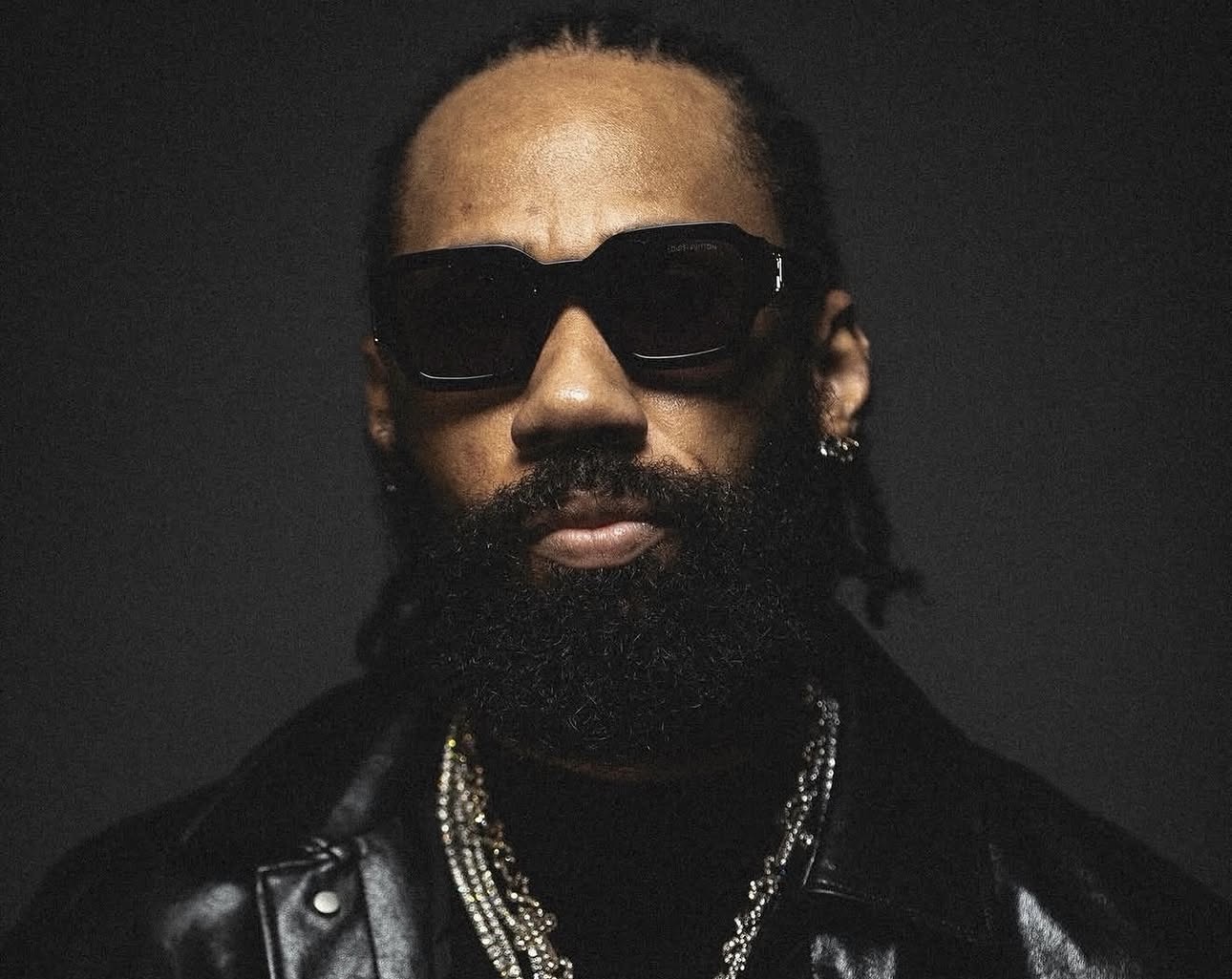
In Yoruba culture, praising God often goes beyond singing a melody. Through chants, poetic expressions, and the recounting of personal experiences, worshippers find ways to acknowledge God’s greatness and express gratitude for His goodness. These chants draw from a rich tradition of Yoruba praise poetry, using vivid imagery and carefully chosen words to describe the Creator’s power, glory, and faithfulness.
Joseph Osupala taps into this tradition on “Iro Didun,” a chant-based song that puts gratitude at the centre of its message. He follows a path familiar to listeners of Bola Are, whose energetic chants have helped define indigenous Yoruba music, and Tope Alabi, who has mastered the art of weaving Yoruba expressions, spiritual imagery, and personal testimonies into her songs. The original version of “Iro Didun” was released on Osupala’s YouTube page in 2023, before a refix followed this year. The new version offered an opportunity to revisit the song while introducing it to new audiences across streaming platforms.
Listening to “Iro Didun,” you might find yourself waiting for a beat to kick in at some point. It never does. Instead, Osupala spends the song chanting, recounting experiences, and finding different ways to acknowledge God. A keyboard chord sits beneath his vocals, while occasional saxophone solos and touches of guitar add colour to the arrangement. The instruments are present, but they never distract from what Osupala is saying.
Without the familiar structure of verses, a catchy chorus, or a beat to carry the song forward, the experience rests almost entirely on his delivery and the meaning of his words. He sounds like someone with plenty to say and no reason to rush through it.
One of the song’s most striking moments comes when Osupala sings, “Itansan Irawo, Oba ton gbenu ogo Ṣògo.” He describes God as the radiance of the stars, the King who dwells in glory and reveals that glory. It is an evocative image, drawing on the brilliance of the stars to communicate God’s greatness.
He gets even more vivid with the line, “Oba ton gbe iku min lo dindin,” portraying God as the King who swallows death whole. The image speaks to deliverance and divine protection, expressing the belief that God can overcome even death itself. It is a striking way to communicate gratitude for being preserved through life’s uncertainties.
These moments capture what “Iro Didun” does best. Osupala keeps returning to God’s greatness, approaching it through different expressions and images rather than repeating the same declaration. The chants carry their own rhythm, while his lived experiences give them substance.
Still, the song could benefit from more variation in its delivery and arrangement. The chanting occasionally feels repetitive, and greater shifts in vocal intensity or more prominent instrumental moments could give the song a stronger sense of progression without losing its spiritual core.
With “Iro Didun”, Osupala leans into the strength of Yoruba praise poetry, trusting his voice and words to carry the song. What emerges is a simple, deliberate expression of gratitude that finds its power in the act of praise itself.