Drums are usually the foundation of a song, but for Nigerian drummer and producer Olive Emwanta Umodiagbon, known professionally as Sparkamani, they are the main attraction. His two-track project, Midnight, places percussion at the centre of the music, moving from the instrumental arrangements of “Drumma” to the house-influenced sound of “Ghost.”
“Drumma” wastes little time getting into its rhythm. The drums lead the arrangement, supported by a bassline that holds the groove together as different percussion patterns come into play. There's a lot of movement in the drumming, but the introduction of the xylophone gives the song an entirely different feel. Its lighter notes cut through the percussion, adding a playful melody to the heavier rhythm underneath.
The piano also finds its place in the arrangement, although it doesn't demand as much attention as the drums and xylophone. What could easily have been a lengthy display of drumming skills becomes something more enjoyable because of how the instruments work together. The bass keeps everything grounded, while the xylophone gives the listener a melody to follow. It's a good example of how percussion can lead a song without overwhelming it.
“Ghost” takes a different route. Here, Sparkamani moves closer to house music, bringing in a heavier bassline, energetic drum patterns and vocals that sit within the production. Where “Drumma” gives listeners room to appreciate the individual instruments, “Ghost” is more concerned with the groove as a whole.
The rhythm is infectious, with the bass and drums doing much of the work. The vocal elements also give it a different character, making it feel more like something you would hear at a party than a conventional instrumental performance. There's enough space in the production for a singer or rapper to work with, and it would be interesting to hear what another artist could bring to the beat.
Both songs make good use of Sparkamani's strength as a drummer, although in different ways. “Drumma” is more about the arrangement and the interaction between the instruments, while “Ghost” is driven by its dance rhythm. The switch works, particularly because Sparkamani doesn't abandon percussion when moving into a different genre.

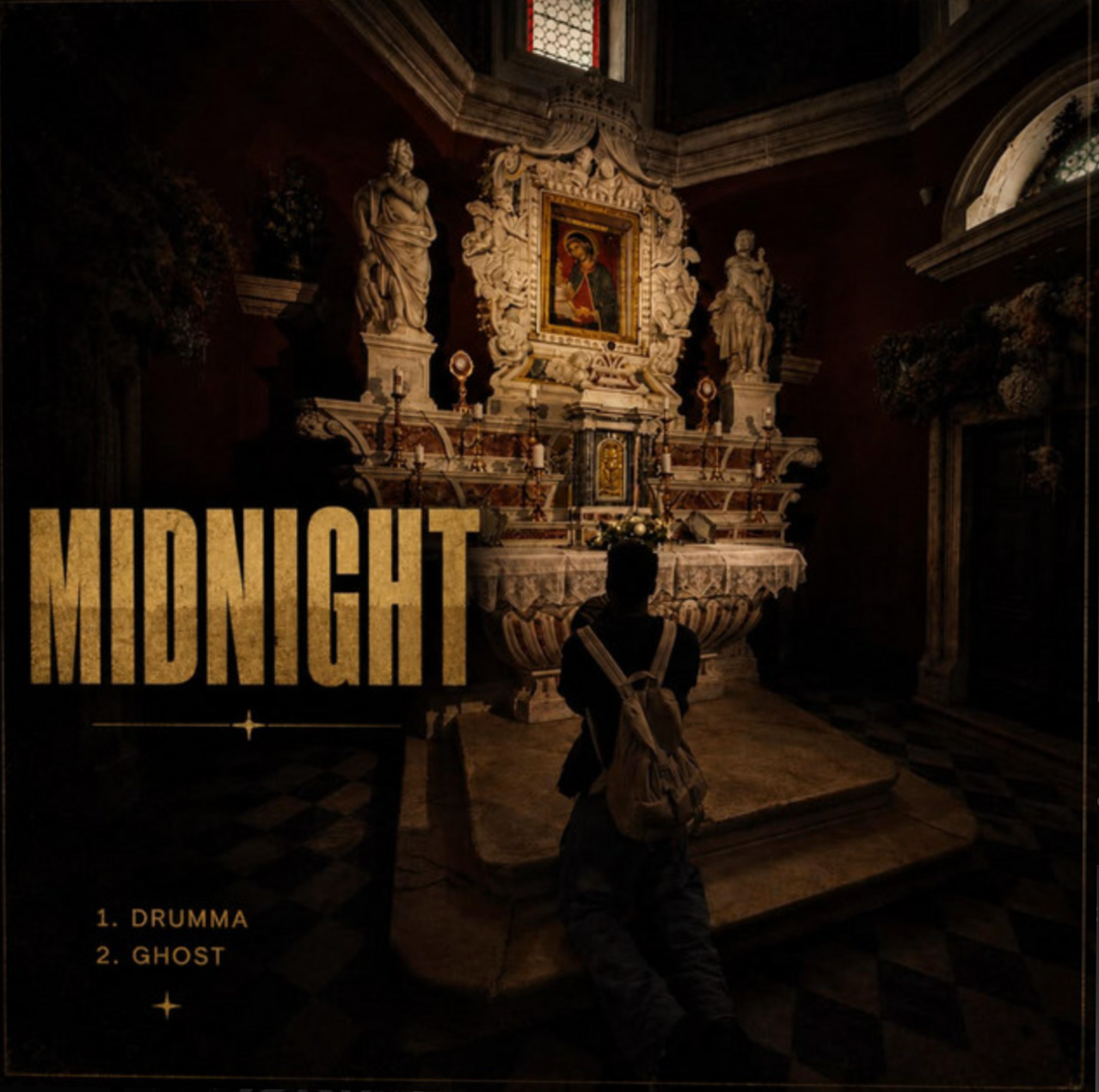
Midnight is only two tracks long, which leaves little room to explore these sounds further. Still, there is enough here to understand Sparkamani's approach to music. The drums aren't simply keeping time in the background; they are carrying much of the music, and the other instruments have been arranged around them.