If the past year has taught us anything, it’s that the Hallyu Wave sweeping across Africa has firmly arrived in Tanzania. About 10 years ago, if you told music executives in Tanzania, artists, or even fans that K-pop from South Korea would one day take root in the country, most would laugh it off and tell you that you were dreaming in broad daylight. Fast forward to 2026, and the picture looks very different
Over the past few years, the number of K-pop listeners in Tanzania has grown steadily, and judging by current patterns, 2026 could be the strongest year for K pop in the country so far.
History has a way of repeating itself. Between the early 2000s and early 2010s, the Tanzanian film industry was having its moment on the sun, with local movies playing in nearly every household and dominating popular culture.
But by the mid-2010s, interest in Bongo Movies began to fade, and Korean dramas rose to prominence. Suddenly, faces of like Song Il gook, Lee Min ho, and Lee Byung hun became familiar to Tanzanian audiences, illustrating just how quickly tastes can change when something new captures the public’s imagination


For a long time, Bongo Flava has worn the crown as Tanzania’s most popular music genre. However, around 2022, small cracks began to appear in the usual listening patterns after Spotify reported a 93% year on year increase in K-pop streams across Africa, accounting for more than 3 billion hours of listening. Tanzania emerged as one of the major consumers on the continent, ranking eighth, a clear signal that the ground was already shifting beneath our feet.
Read also: Spotify Reveals How BTS And K-Pop Groups Have Dominated Sub-Saharan Africa
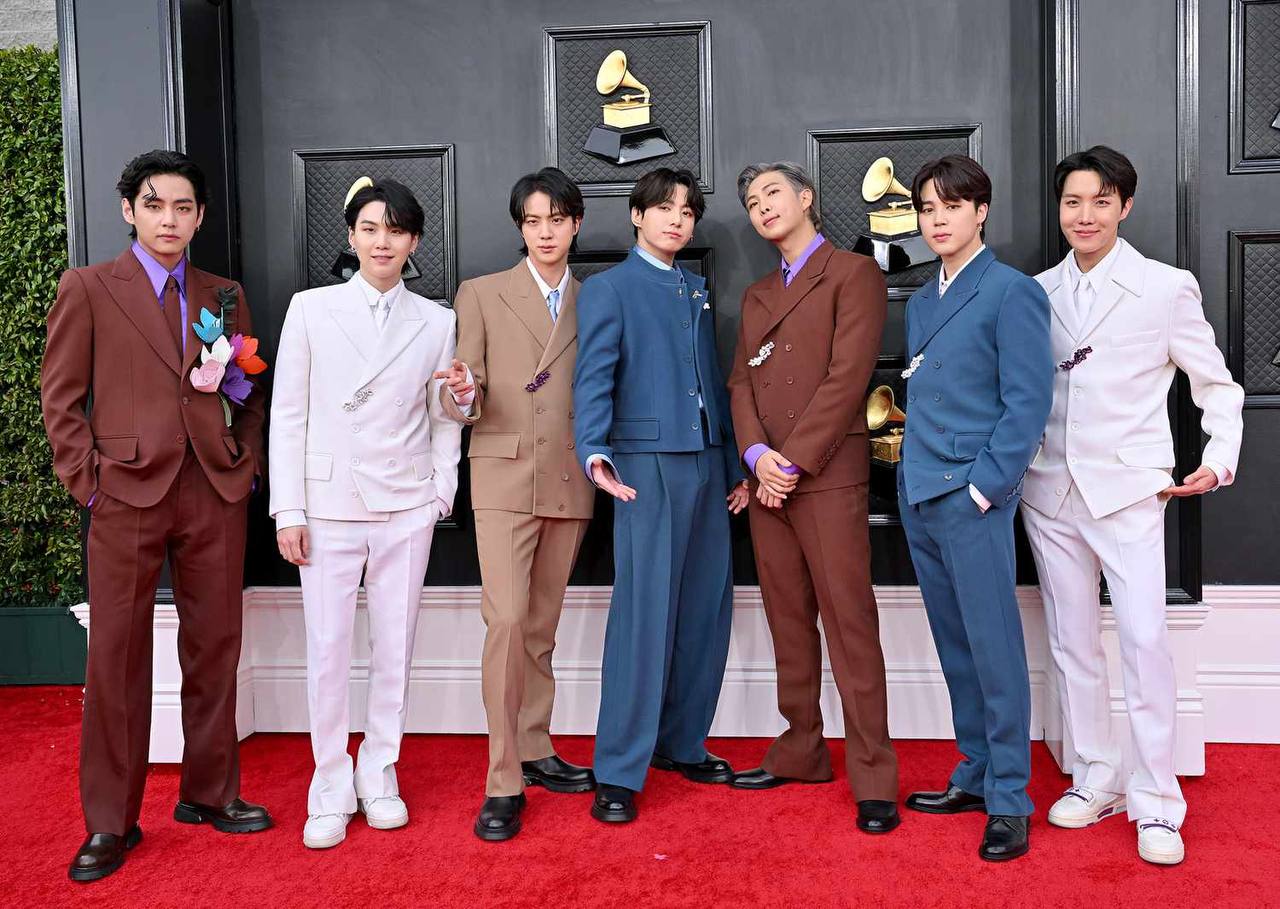
Since then, K-pop has continued to grow its wings in Tanzania. Artists like Jennie, Rosé, Stray Kids, BTS, Taehyung, and BLACKPINK are no longer strange names to young listeners. While their songs may be hard to catch on local radio compared to music from Nigeria or the United States, on TikTok it is a different story altogether.
For active users of the Tiktok platform, these names are far from unfamiliar, constantly appearing in trends, challenges, and viral clips, so much so that Mjini FM host Barbara Hassan called for Tanzania music promoters to organize a special K-pop festival in Tanzania due to the overwhelming demand.
So why does this year feel like a turning point for K-pop in Tanzania?
Tanzanians boycotting local artists
Following what happened during the last general election, some young Tanzanians deliberately took a step back from local music as a form of silent protest.
This mood has played out clearly on social media, especially TikTok, where young people openly show themselves searching for alternative genres to listen to. In trying to make a statement, they unintentionally opened the door for foreign sounds, and K-pop has been quick to walk through it. If current trends continue, K-pop could see its strongest year yet in Tanzania, with fans more receptive than ever to foreign music.
Increased Internet and social media
According to the Tanzania Communications Regulatory Authority, internet subscriptions rose by 4.1 percent to reach 56.3 million users by September 2025.
For many young Tanzanians, discovering Korean artists is no longer a big event but part of everyday scrolling. With internet usage expected to climb even higher in 2026, theK-pop audience is likely to keep expanding, little by little.This surge has made global content more accessible than ever, making it easy to find Tanzanian pages promoting K-pop idols on Instagram and Facebook.

The K drama effect
Then there is the undeniable K- drama effect. Ever since Dae Jang Geum aired on ITVmore than a decade ago, Tanzanians have shown a deep appetite for Korean dramas. These series often come with powerful and memorable soundtracks famously known as OST
In recent years, fans of hit shows have gone out of their way to stream OSTs on Spotify, YouTube, and other platforms. Once viewers form an emotional bond with a show, it is only natural for that curiosity to spill over into the music and the artists behind it.

Embassy driven cultural exposure
While K-pop’s rise in Tanzania has largely been organic, driven by the quality and appeal of the music, the Korean Embassy has also played its part. Through cultural events, language programs, and exchange initiatives, it has steadily kept Korean culture in the public eye.
For years, events like theK-pop World Festival and K Pop Dance Festival have been held, including the June 21 edition at the Little Theatre in Dar es Salaam. Efforts like these sustain the momentum and, judging by last year’s event, K pop is set to gain even more fans.

Since its debut Tanzania’s music industry has always been open minded and flexible, making room for sounds from beyond its borders. Alongside Bongo Flava, genres like Congolese music and Afrobeats were once outsiders before becoming part of the mainstream.
Looking at where things are heading, it would not be surprising if, starting this year, K-pop begins to enjoy the same treatment and slowly but surely finds its place at the centre of Tanzania’s popular music conversation.